
Farm & Ranch Low Water Crossings Bridges

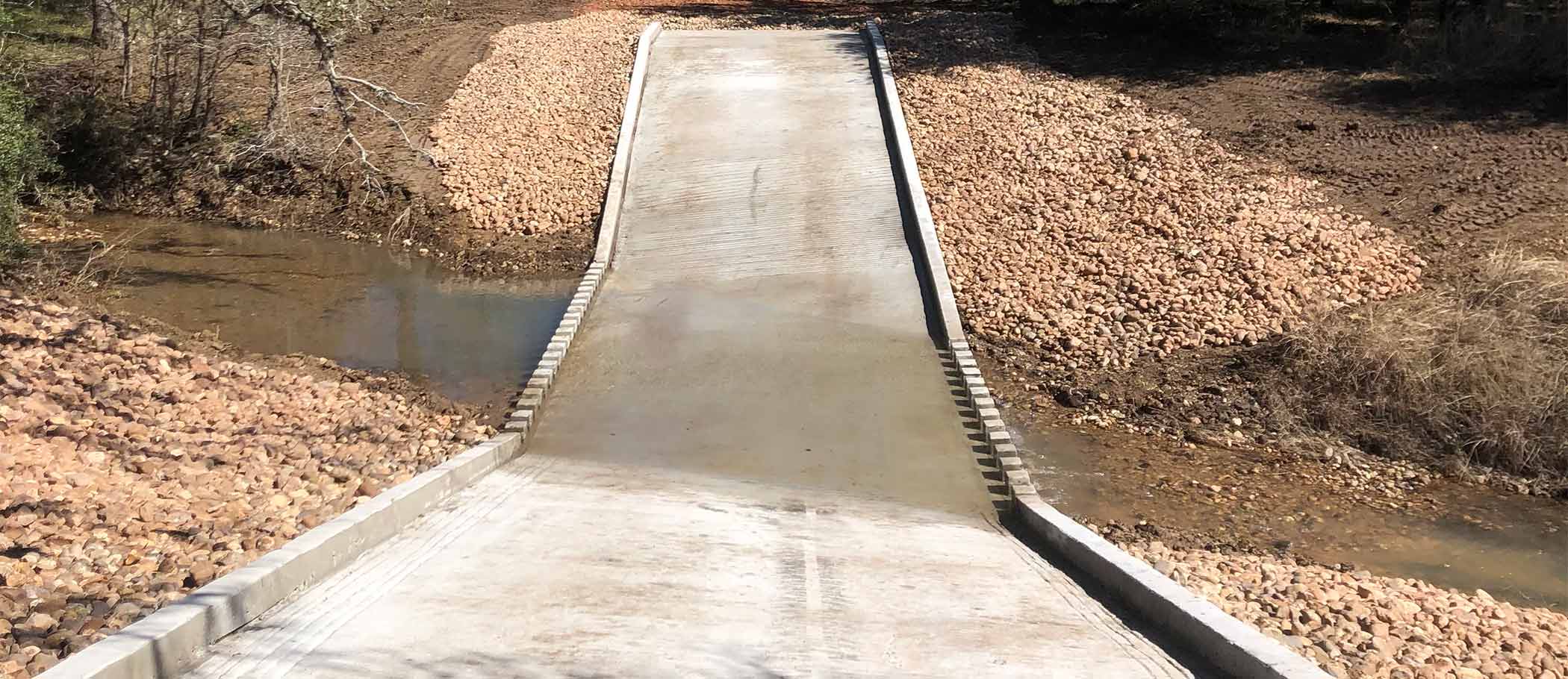
Landowners across Texas entrust Texas Ranch Resources to build the best low water crossings and bridges for their rural properties. Our heavy-duty low-water-crossings provide essential flood protection to your valuable land, helping minimize damage to infrastructure, like roads, and soil degradation during intense storms.

Our team will manage the entire process from design to build, ensuring a high-quality, cost-effective solution that meets all local agricultural requirements.
Contact us for a free estimate.
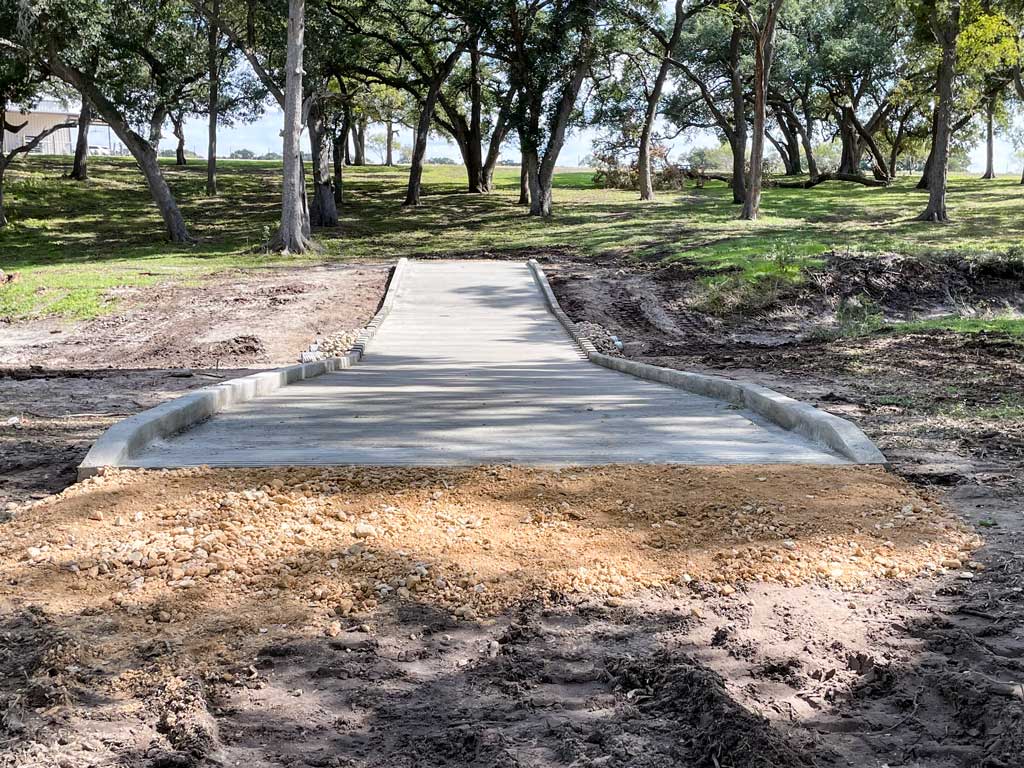
Featured Project: 2 Low Water Crossings and a Gravel Road

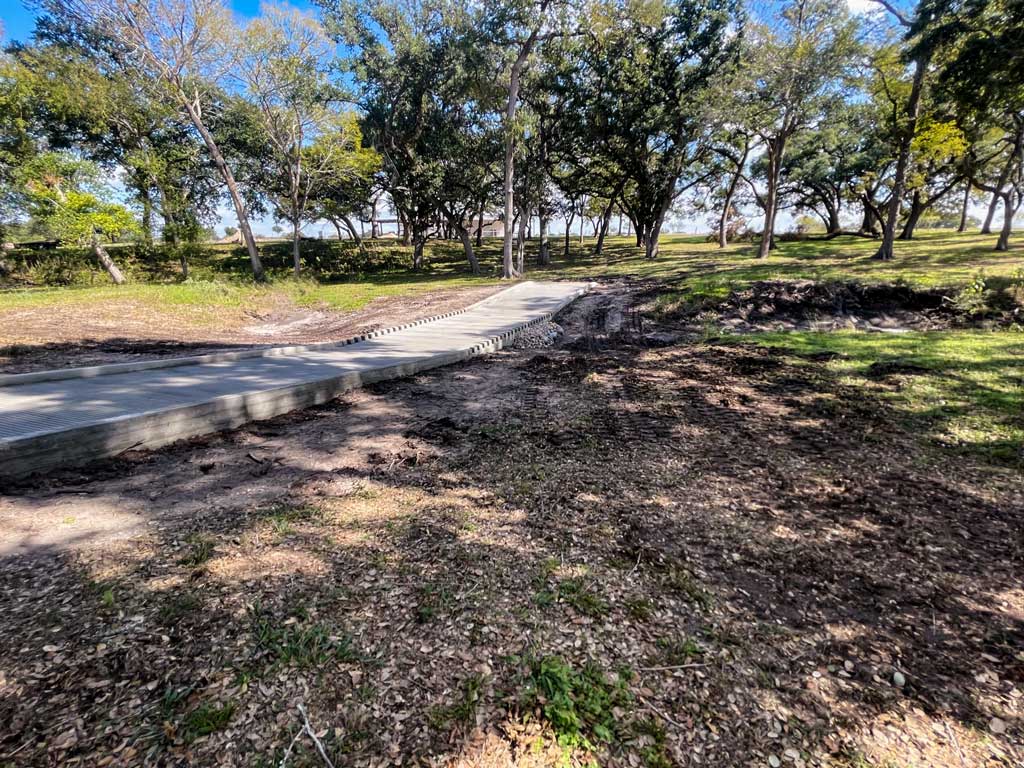
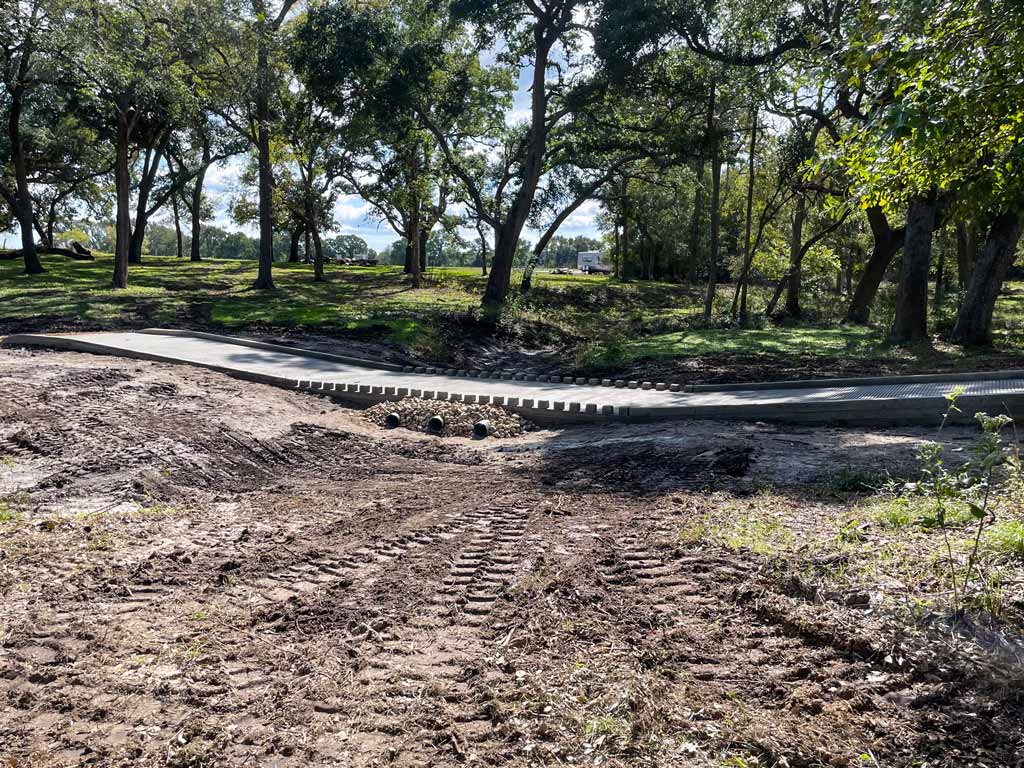
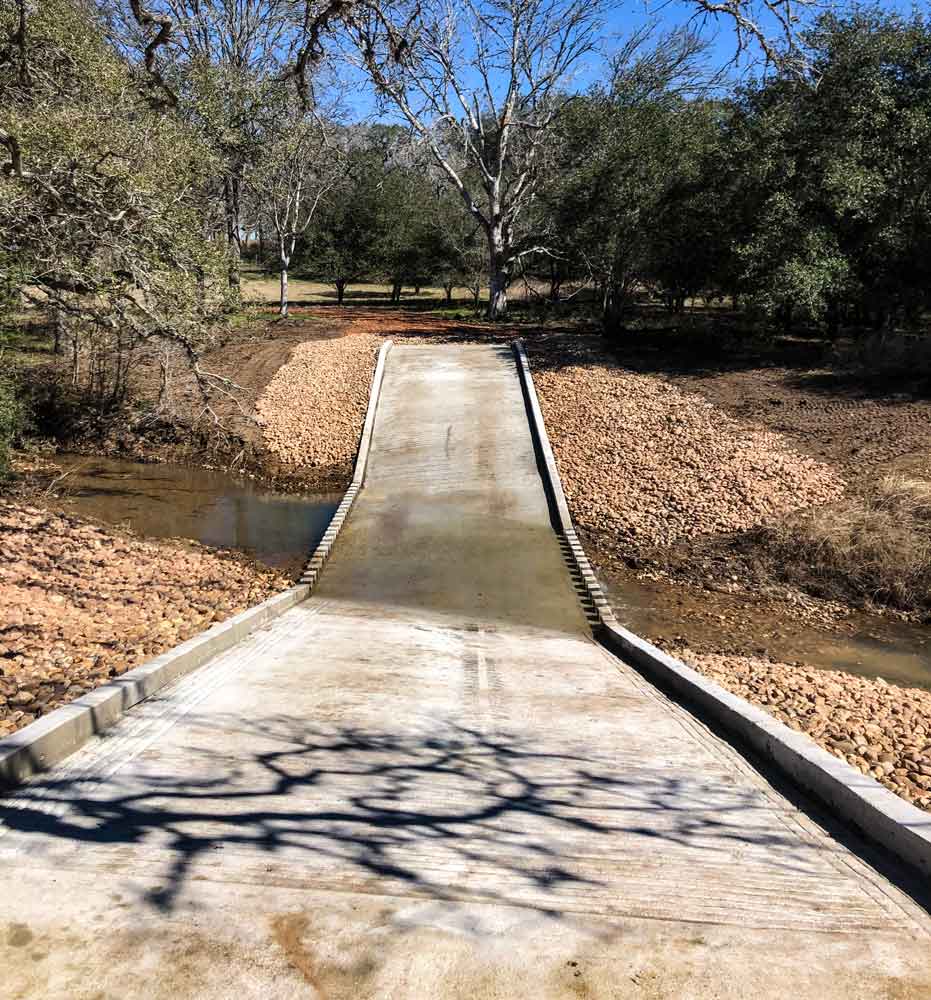
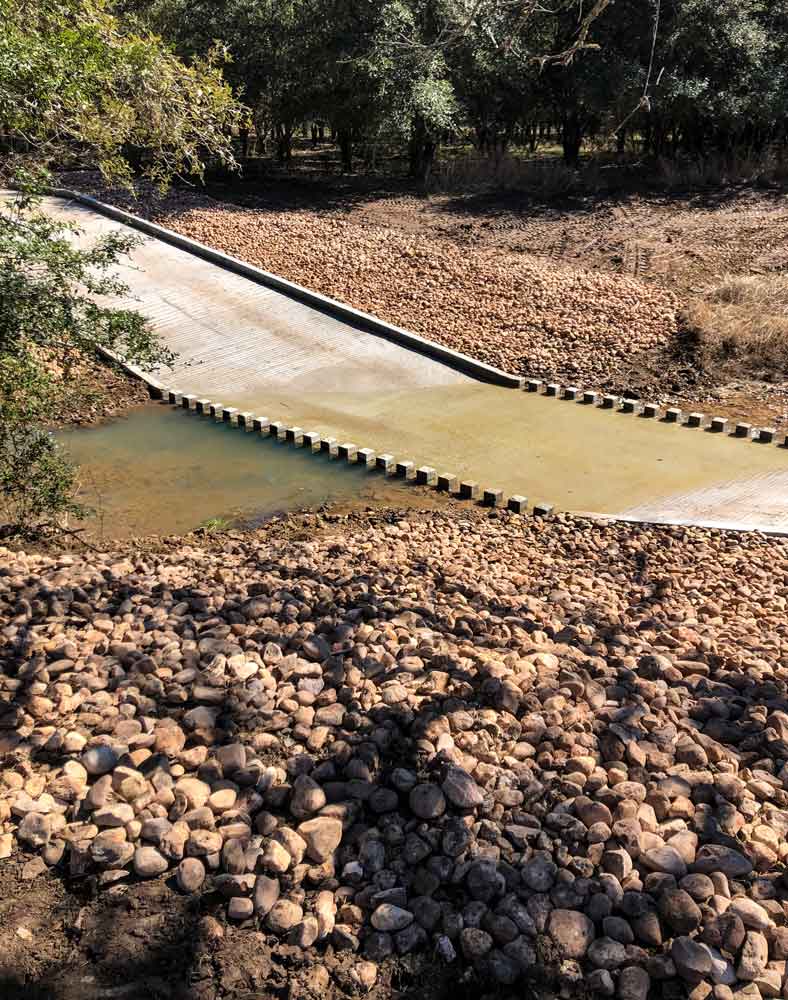
After the devastating floods that swept through the Texas Hill Country, we had the honor of rebuilding many low water crossings.

These projects help restore safe access to ranches and rural properties where previous crossings were washed out or damaged beyond repair. Our team focuses on durable, long-lasting designs that stand up to the challenges of Hill Country terrain and weather.

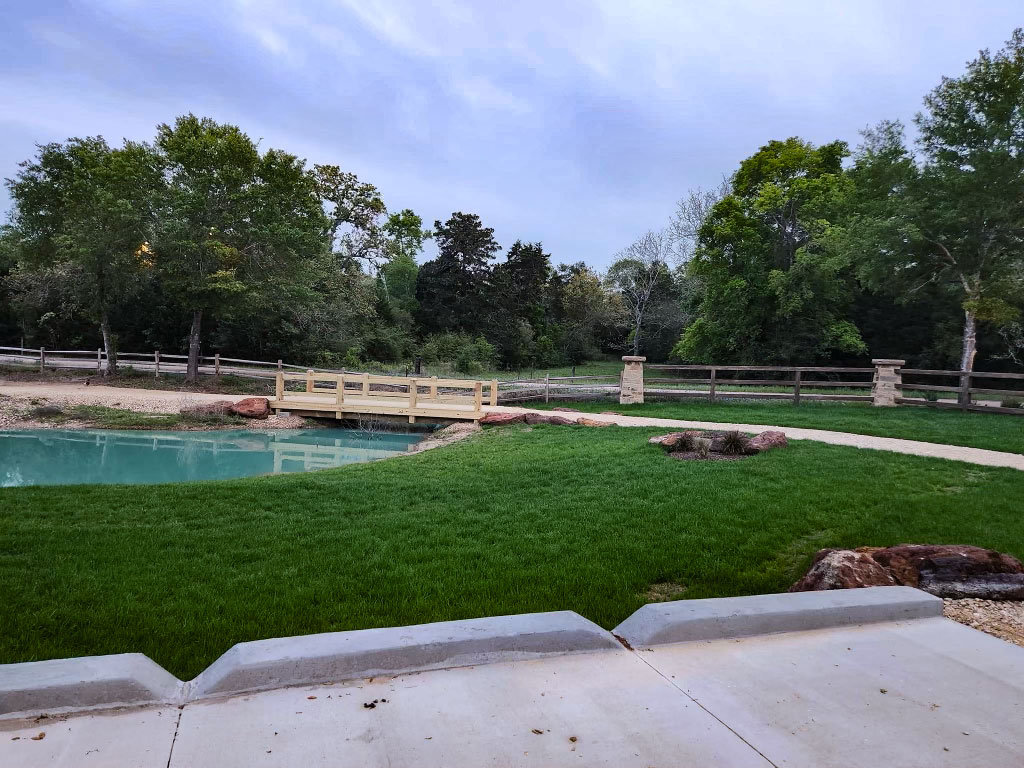
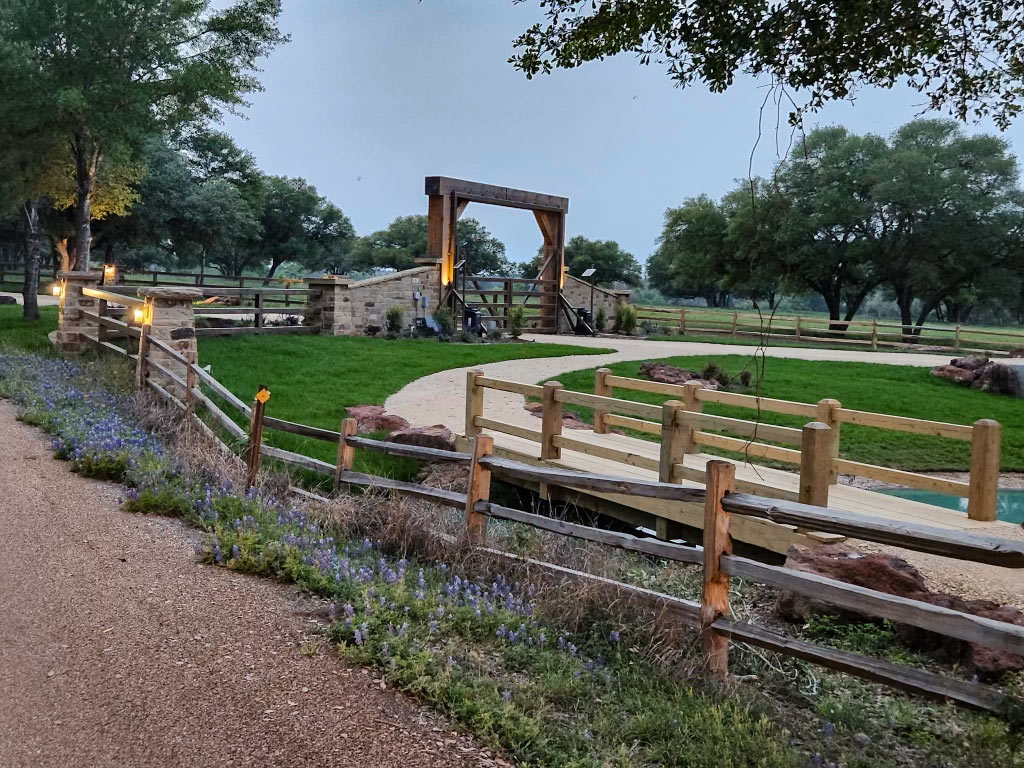
This project included 2 new low water crossings and gravel roads.

If you’re looking to rebuild with confidence, reach out to us — we’re proud to serve Hill Country landowners with quality construction you can depend on.

Low Water Creek Crossings

Investing in low-water creek crossings on your farm or ranch can be an important part of making sure that it remains safe. Not only do they help to decrease sediment runoff and soil erosion, but they are also designed with heavy-duty materials to be able to withstand large loads. We go even further by ensuring that each crossing features non-slip grooving for better traction.

When it comes to building reliable low water creek crossings, no one does it better than us in the Lone Star State. We’re Texas’ go-to for durable and strong structures that stand up to Mother Nature.

Low Water Crossings vs Low Water Bridges

Low water crossings and bridges both serve the same purpose: providing access across a creek, stream, or drainage area. The main difference is how they handle water flow.

Low Water Crossings

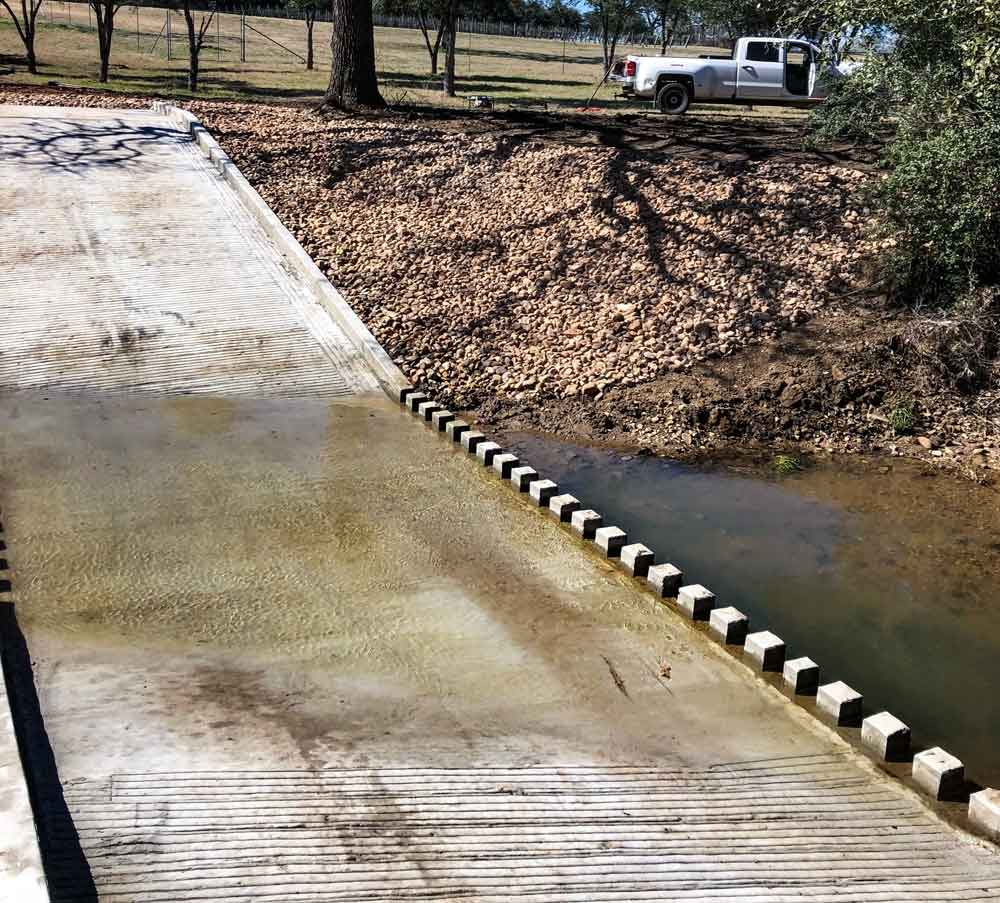
A low water crossing is built close to the natural grade of the creek or drainage channel. It is designed for water to flow through culverts or pass over the surface during heavy rain. These crossings are commonly used on ranches and rural properties where flooding is occasional and a cost-effective, durable crossing is needed.

completed crossing with rip-rap

Low Water Bridges

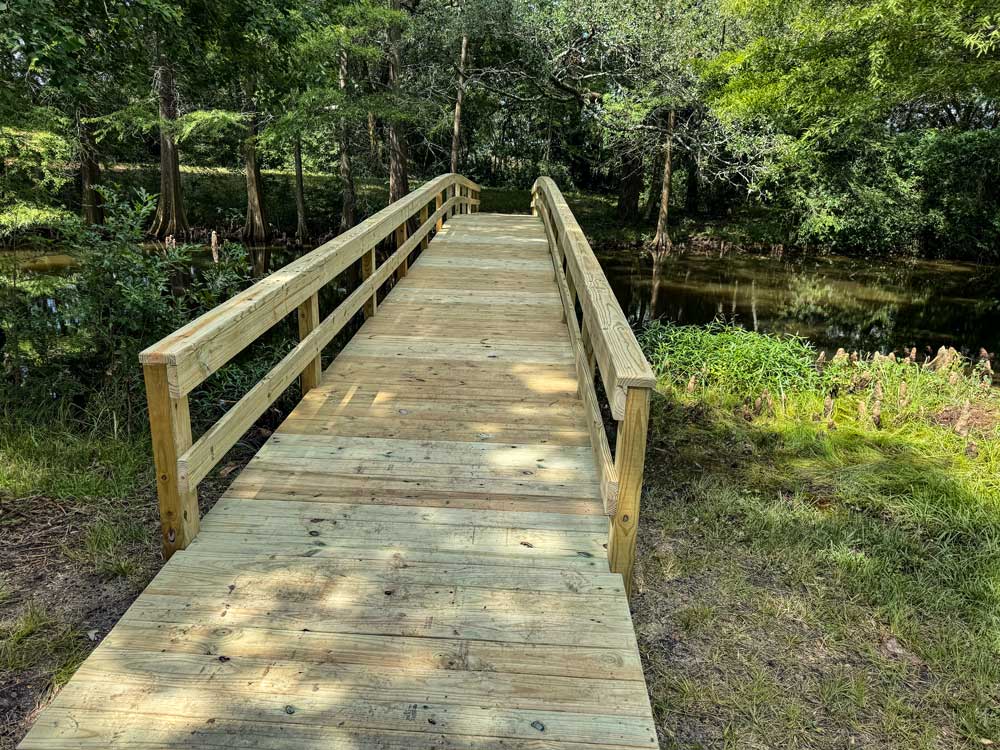
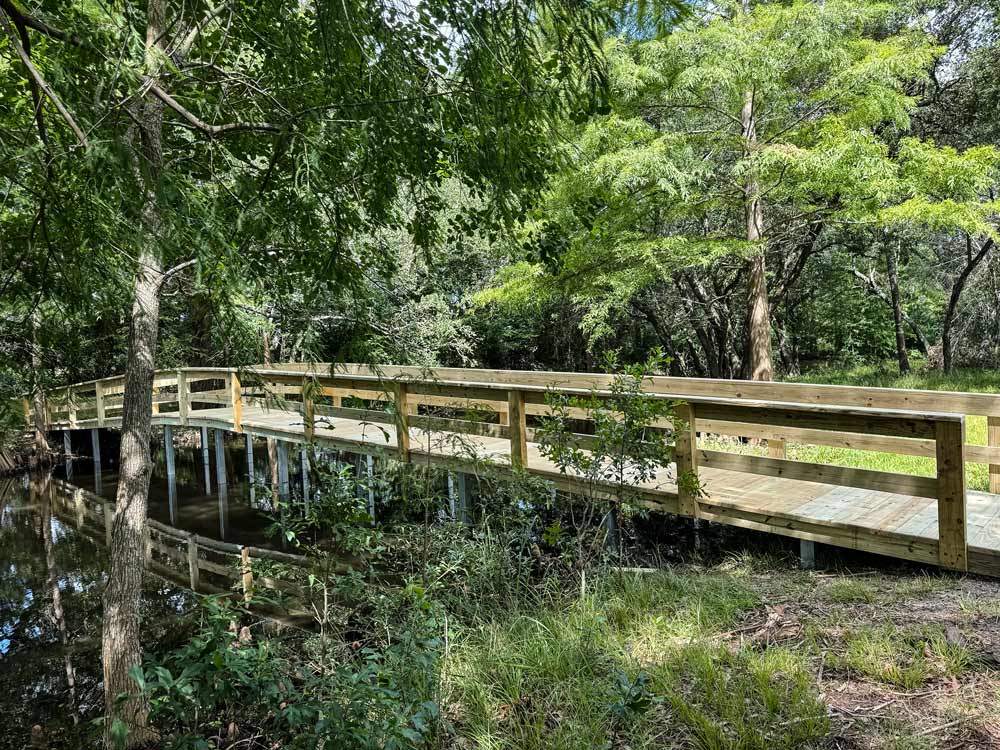
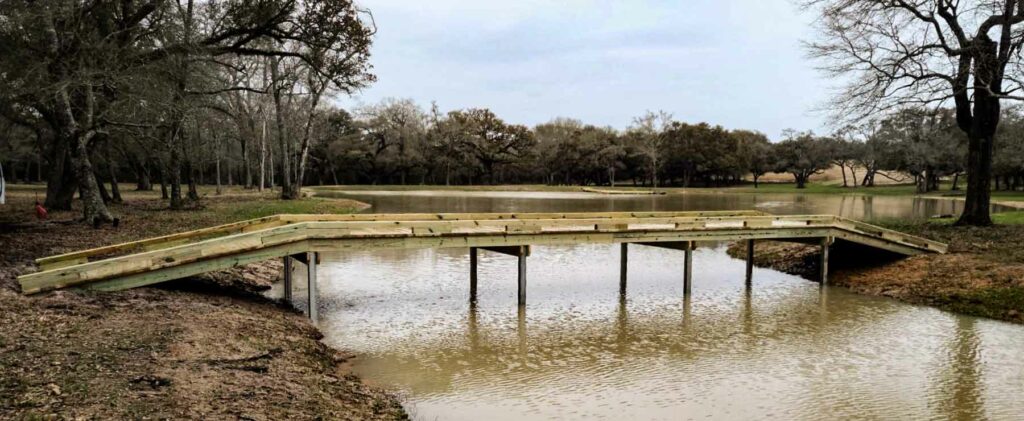
A low water bridge is built above the waterway to keep the road surface elevated above the water. Bridges are typically used where water is deeper, flows continuously, or where access must remain open even during flooding.

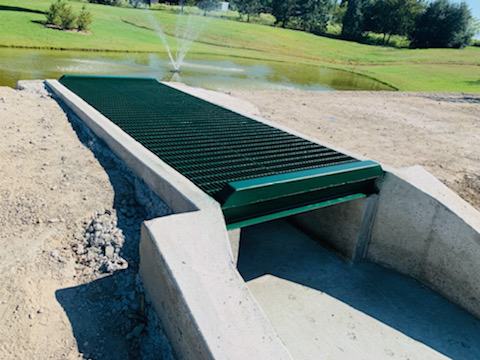
engineered box culvert bridge

Both options are effective solutions depending on the terrain, water flow, and access requirements. The right choice depends on the conditions of the site and how the crossing will be used.

See more low water crossings & bridges samples on Our Projects Page.

Engineered Low Water Crossing Bridge with Box Culvert

We recently completed an engineered low water crossing bridge project that combined robust functionality with strict regulatory compliance. This custom-built solution featured a reinforced concrete box culvert designed to maintain safe access across a waterway while minimizing environmental impact. Key highlights of this project include:

  • Engineered Design: The bridge was professionally engineered to meet load requirements and long-term durability standards, ensuring reliable performance even in high-flow conditions.
  • Box Culvert Installation: A large box culvert system was installed to facilitate unimpeded water flow, reduce erosion, and provide a stable passage for vehicles and equipment.
  • Floodplain Compliance: The structure was designed to comply with local and federal floodplain regulations, helping the property owner avoid future permitting issues and drainage concerns.
  • Approved and Inspected: The entire project was permitted, inspected, and officially approved, demonstrating our commitment to quality workmanship and regulatory adherence.

This box culvert bridge serves as a great example of how we tailor solutions to each client’s terrain, access needs, and environmental considerations. Whether you’re managing a working ranch or rural property, we provide long-lasting, code-compliant water crossing solutions that are built to perform.

Types of Low Waterway Crossings We Build

1. Concrete low-water bridges

2. Low water crossing bridge

3. Culvert bridges

4. Pipe culvets

5. Creek crossings

6. Private water crossings

7. Stream crossings

8. Box culverts

Farm & Ranch Bridges

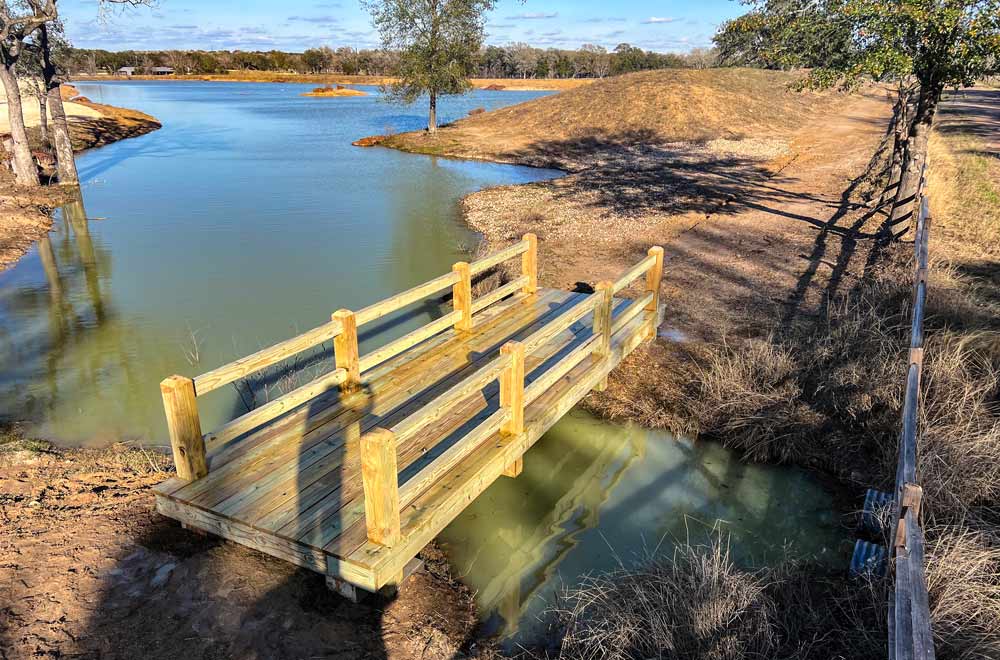
Does your farm or ranch have a large lake, or a marsh area you need to cross? Our pond and lake dock building capabilities can be extended into a bridge for pedestrians, golf carts, and vehicles.

Farm and ranch bridges provide a sturdy way to cross bodies of water and can also add an element of beauty to your property.

From our extensive experience in ranch bridge building, we take your exact specifications and design a custom bridge tailored just for you and your rural property. Our knowledgeable staff can help guide you through the entire process to ensure your bridge meets all expectations. With quality construction and materials used for durability and longevity, you can be sure that you are receiving a top-notch product from us.

low water crossing being installed
concrete crossing installation
low water crossing construction

Low Water Crossings & Bridges FAQs

A low water crossing (or “on-grade” water crossing) is a reinforced structure that allows vehicles, equipment, and livestock to safely cross a creek, stream, or drainage area. Unlike bridges, these crossings are designed so water can flow over or through them during heavy rain while still providing stable access across the waterway.

A low water crossing is often the best option when the waterway is shallow and only floods occasionally. Bridges are typically used when the water is deeper or when constant access is required during heavy flooding. Low water crossings are usually more cost-effective and easier to construct for ranch and rural property access.

Low water crossings are commonly built using reinforced concrete, culverts, steel grating, rock, and rip rap for erosion control. These heavy-duty materials help the structure withstand strong water flow, vehicle loads, and long-term exposure to weather conditions.

Yes. Properly designed low water crossings can help reduce soil erosion and sediment runoff by controlling how water moves across a drainage area. Many crossings include culverts or reinforced concrete structures that direct water flow and protect surrounding roads and land.

Yes. Low water crossings are typically designed to handle ranch vehicles, trucks, tractors, and other heavy equipment. The structure is built with reinforced materials to support substantial loads while maintaining stability during seasonal water flow.

A culvert crossing uses pipes or culverts placed beneath the roadway to allow water to flow through the crossing. A low water crossing may include culverts or may allow water to flow directly across a reinforced surface. The best design depends on the terrain, drainage patterns, and expected water flow.

Not always, but many crossings include culverts to allow water to flow beneath the roadway. Culverts help reduce pressure on the structure, improve drainage, and minimize erosion around the crossing.

Permit requirements vary depending on the county, waterway classification, and whether the project impacts a floodplain or regulated drainage area. Some crossings may require local, county, or environmental permits. It is always best to verify requirements with the appropriate local authorities before construction.

The timeline depends on the design, location, and weather conditions. Some projects can be completed relatively quickly, while larger crossings that include culverts, engineered designs, or extensive site preparation may take longer.

We build several types of water crossings, including concrete low water crossings, low water bridges, culvert crossings, creek crossings, and engineered low water crossing bridges designed specifically for ranches and rural properties.

In most cases, a damaged low water crossing is not repaired, it is rebuilt. Flooding can weaken the structure and underlying base materials, creating safety risks if only partial repairs are made. Rebuilding the crossing allows the site to be properly excavated and reconstructed with improved drainage, culverts, and erosion protection for long-term durability.

Proper design and site preparation are critical. Low water crossings are typically built with reinforced concrete or compacted base materials, culverts for drainage, and rip rap or large rock for erosion control. These elements work together to manage water flow and protect the structure during storms.

Large stone and rip rap are commonly used to stabilize the area around the crossing and prevent erosion. These materials help protect the roadbed and channel water flow so the crossing remains intact during heavy runoff.

Yes. Many low water crossings are installed where a ranch road already crosses a creek or drainage area. The existing road is typically excavated and reinforced with materials such as culverts, rock, and concrete to create a stable and durable crossing. Texas Ranch Resources frequently upgrades existing ranch road crossings to improve access and reduce erosion problems.

Yes. Low water crossings are designed to withstand periodic flooding. During heavy rain events, water may temporarily flow over the crossing, but the reinforced structure and erosion protection help prevent damage. Texas Ranch Resources designs low water crossings specifically for ranch environments, ensuring they can handle seasonal runoff and heavy water flow.

Texas-Ranch-Resources

Request a Free Project Quote

We are located in Columbus, Texas, and serve the Hill Country to the Gulf Coast.

Contact Us